Unlike many, I actually did not hate Olivia Wilde’s Don’t Worry Darling. It wasn’t spectacular, nor is it a film that I would choose to rewatch, but I do believe that the level of asinine, vitriolic hatred towards it – and Wilde – does have to do with misogyny. There was criticism to be made of that film, don’t get me wrong, I just think the media circus was a bit much and that women are frequently held to way higher standards across all fields.
To Wilde’s credit, her outlook on failure is incredibly healthy, and more artists should strive to be like her in that regard. She doesn’t take criticism to heart, saying there is “liberation” in failure for a director.
“I’ve been reflecting on how healthy it is to be reminded of how fickle it all is. You’ve already been through the thing that strikes fear in the heart of directors – what if they don’t like it? Once you’ve survived that, there’s liberation.”
— Olivia Wilde, 2026
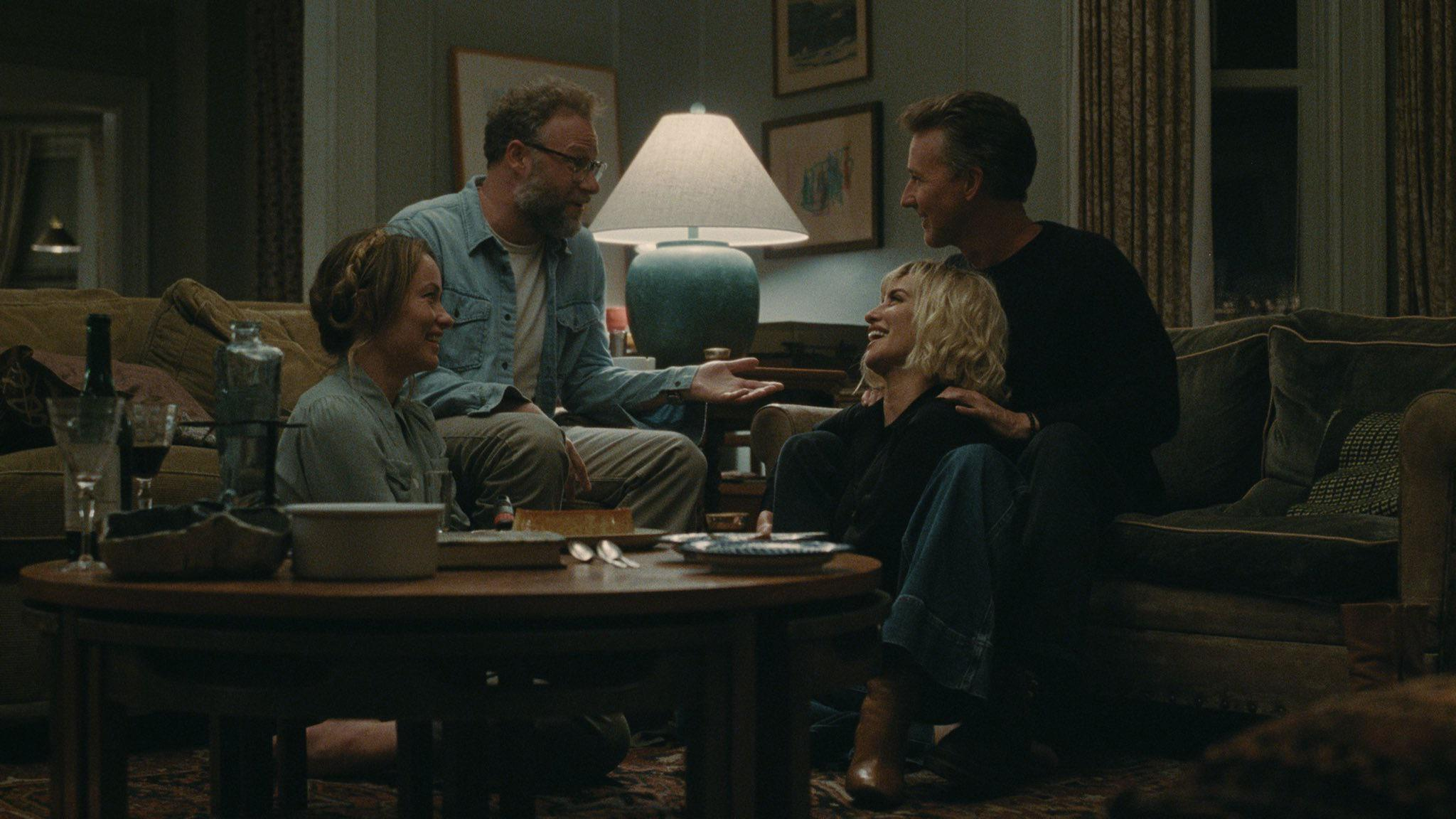
That liberation culminated in her third feature film, The Invite, and my god, does it show. She has scaled things way, way back for this film, which is a four-person chamber piece that takes place in almost a singular location over the course of a single evening, where two married couples spend a contentious evening full of tension, arguments, and quick-witted comedy. This concept is a classic one, with the most widely known iteration being Who’s Afraid of Virginia Woolf? – a play from 1962 by Edward Albee that gained widespread notoriety from the 1966 film adaptation directed by Mike Nichols.
The Invite certainly evokes aspects of that film, which is assisted by the fact that it, too, is an adaptation of a play. Or, well, an adaptation of an adaptation, based on a 2020 Spanish comedy film written and directed by Cesc Gay. Sentimental is its original Spanish title, and The People Upstairs is what it was renamed to for its international release, because the film was based on his play with that same title (Los vecinos de arriba/The People Upstairs).
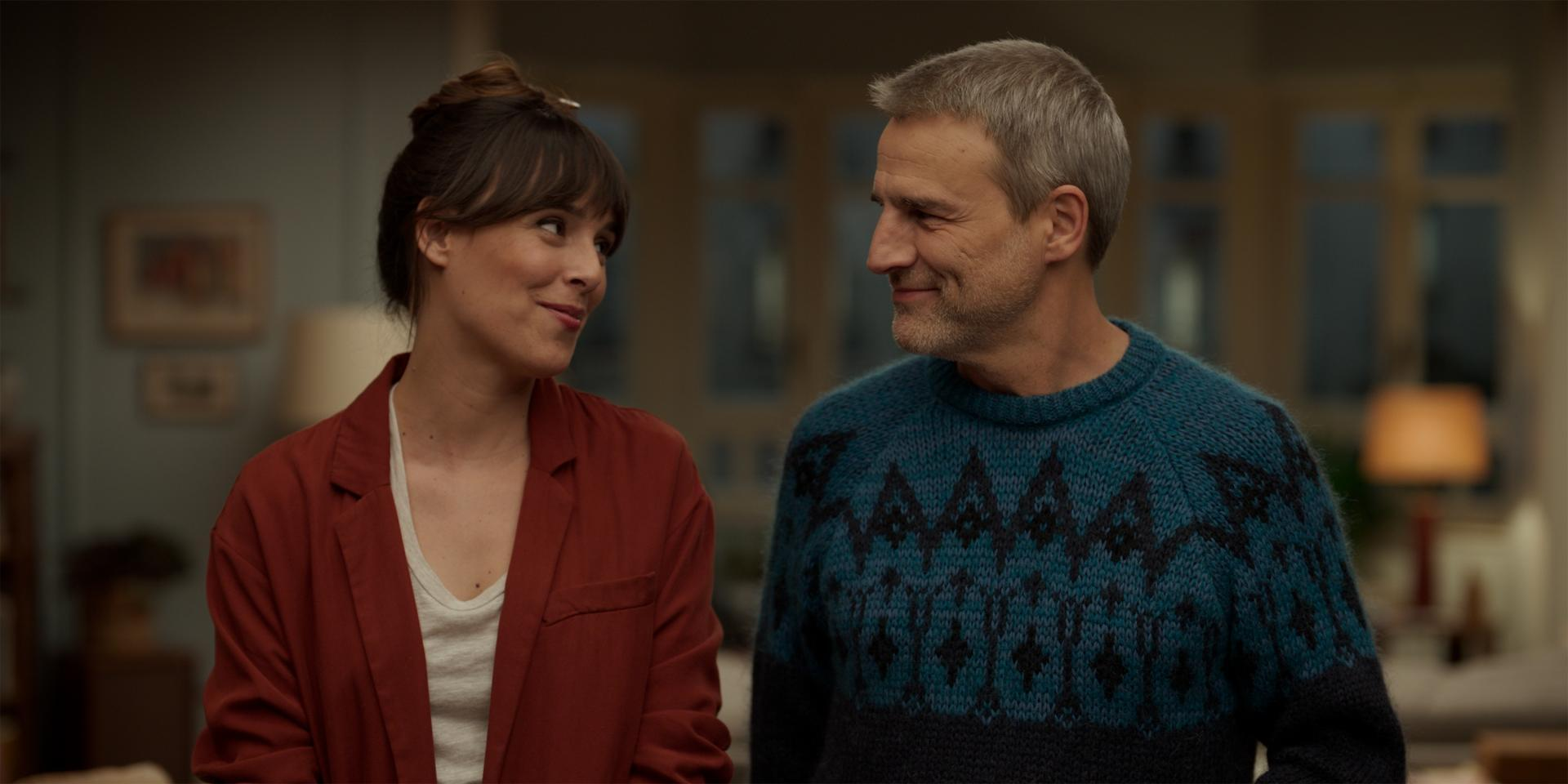
Wilde’s directorial choices with The Invite very much read as theatrical, but in an incredibly fun, titillating way. It keeps you on your toes throughout its entirety, luring you into a false sense of security and then slapping you in the face with a moment of unbridled anger, tension, or heartbreaking sadness.
It reminded me at times of another older, classic film also centered around dinnertime tensions: The Discreet Charm of the Bourgeoisie. Written and directed by Luis Buñuel (released in 1972) the story of that film is entirely different, but the long tracking shots and the abrupt shifts from one tone to another in The Invite reminded me a lot of Buñuel’s work.
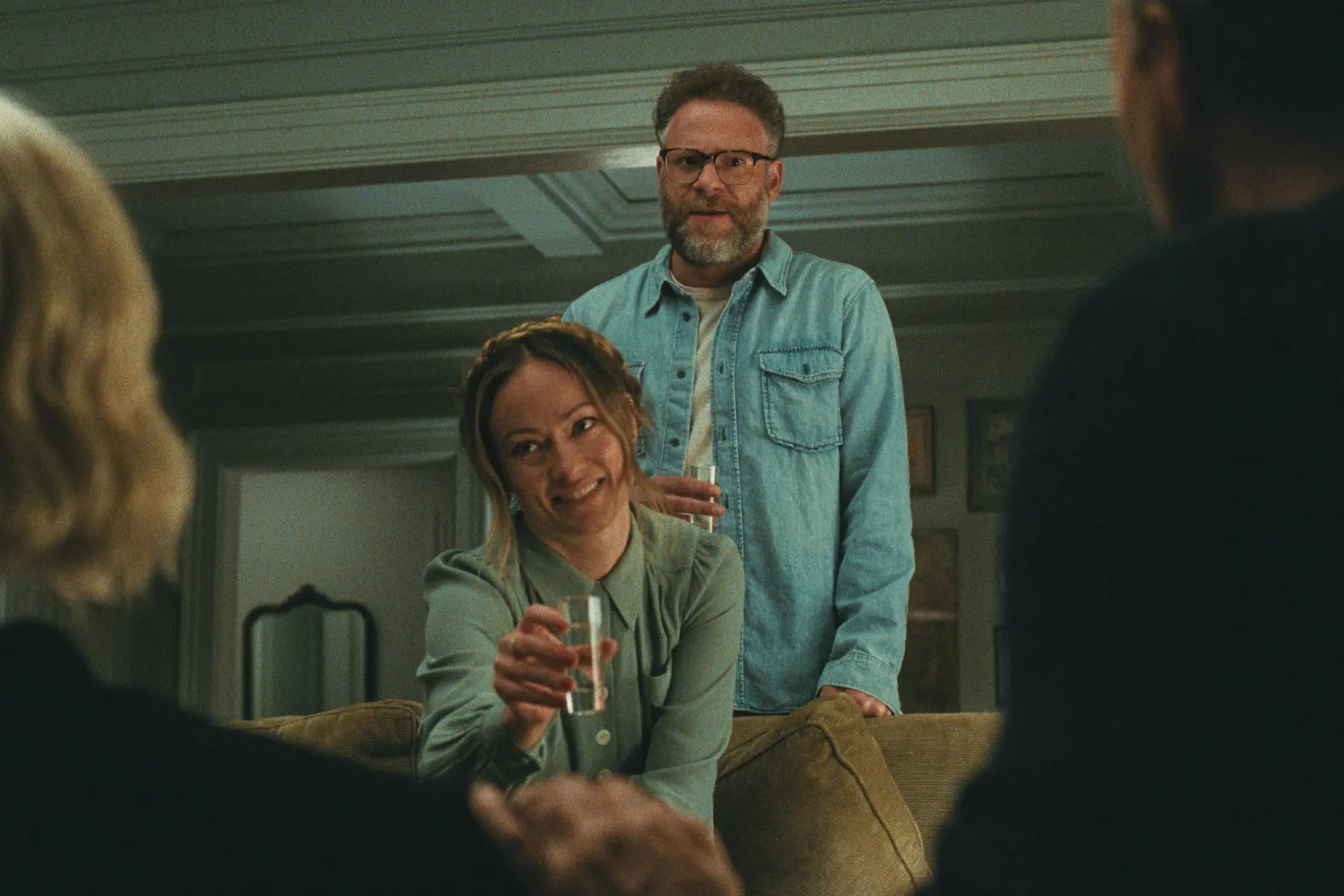
The film opens with a scene of Seth Rogen in an auditorium, and then moves into one of the best-edited opening credit montages I have seen in a hot minute. Editors Yorgos Mavropsaridis and Anthony Boys take us masterfully through a collection of beautiful shots with equally as beautiful transitions and/or shape masking for each clip, and I loved that it was still moving us through the story as opposed to being an interruption. We need more of this type of whimsy again!
Once Angela (Wilde) and Joe (Seth Rogen) are reunited in their apartment, Joe learns that Angela has invited the neighbors over for dinner. Hawk (Edward Norton) and Piña (Penélope Cruz) are an enigmatic, adventurous, self-possessed couple, and the contrast between their assuredness and Angela and Joe’s chaos is a delight to watch as things begin unraveling.
The standout performance comes from Wilde herself, who delivers her lines to perfection and fills the room with a neurotic anxiousness that is palpable to both her companions and the audience themselves. Rogen is also giving it his all, playing Joe with a sardonic wit that can be almost too uncomfortable to bear at times. His character is the one that came across the worst to me, there were several moments where I wanted to punch him in the face, but I mean that in the best way. It was a great performance from them both – from all of them, actually, with Norton and Cruz keeping up just as fiercely.
Their performance is assisted by the fact that the script, written by Rashida Jones and Will McCormack, is equally as great. The pacing at the beginning is perhaps a bit slow, but once it gets going, it goes and doesn’t stop until the very end. Alongside her decision to shoot the film sequentially, Wilde reportedly chose to hold brainstorming sessions/rehearsals beforehand, which led to the actors themselves writing additions into the script as well.
This level of un-hierarchical collaboration on a film set is fairly rare once you break out of student/non-union productions, so it was really amazing to hear this. The importance of human-led creative collaboration is something we have touched on time and time again here at The Convergence Lens. Collaboration is what makes us strongest, both as individuals and as artists. It also once again evokes Buñuel to me – he would often rewrite scripts to better fit his actors once he cast them.
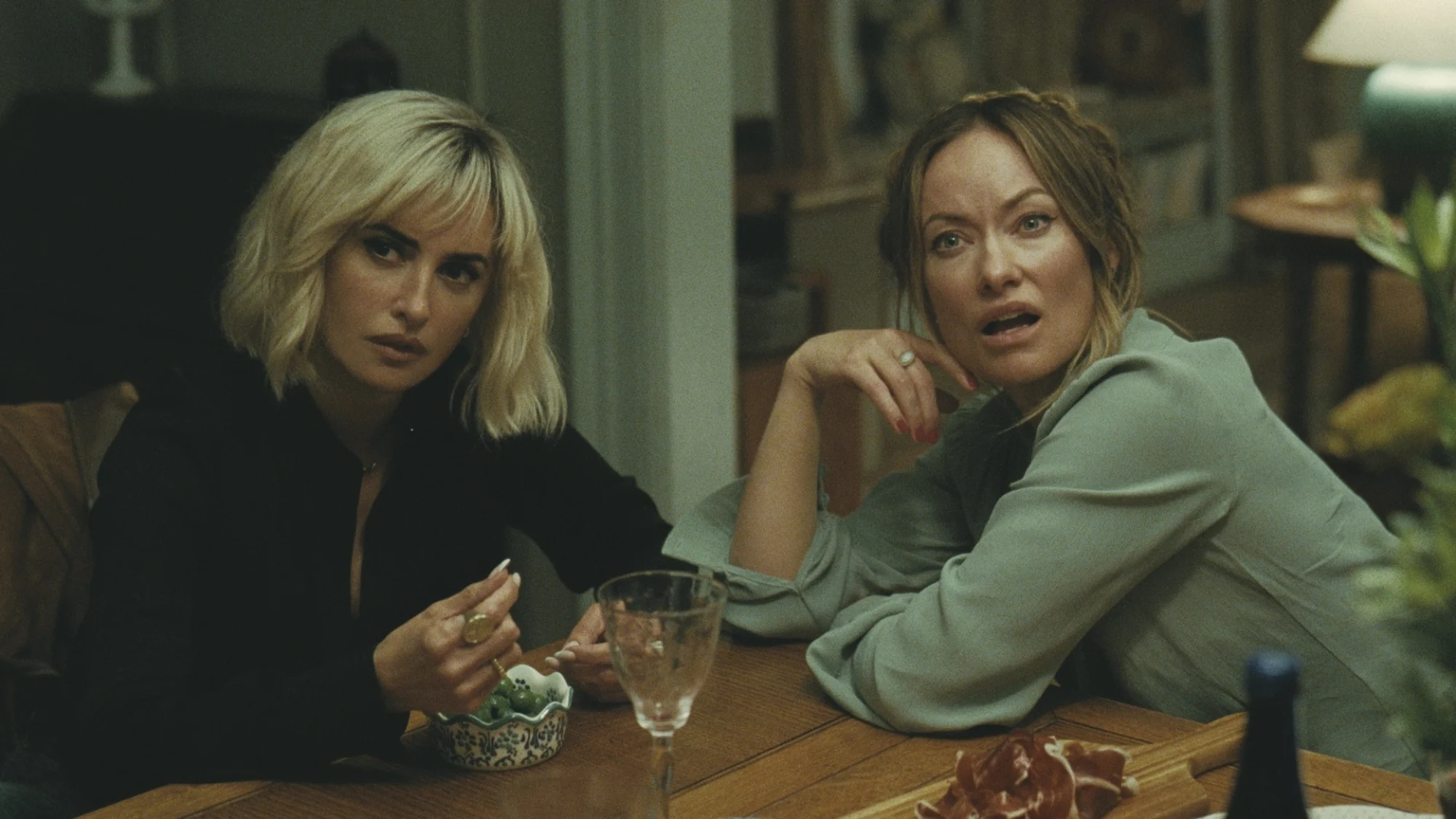
Wilde has an unbelievable talent for crafting a shot in a way that feels dynamic, as if you are physically inside of the space with these people as they are dancing around each other. Her blocking and shot framing choices in this are so intelligent, so intentional, and cinematographer Adam Newport-Berra pulled off her vision to perfection.
The ending of the film is a bittersweet, melancholic one that leaves you ruminating on both the malaise of marriage and the consequences of allowing yourself to be stuck grieving a life that is no longer attainable to you in our increasingly destitute world.
To me, this was a five star film. The humor does get quite abrasive at times, which may not be everyone’s cup of tea, and it’s not for people who need a ton of action to get interested in a movie, but it is an expertly-crafted masterpiece and I enjoyed every moment of it.
5.0 out of 5.0 starsThe Invite opens in select theaters July 3 and nationwide July 10.
Rated: R, for sexual material, language throughout, and drug use.
Run Time: 1 hour, 47 minutes.