There is a scene in the fifth and final season of Hacks that reminded me of just how amazing the art of filmmaking can be when projects are led by the right hands. This article does contain spoilers for all of the ones mentioned in the sub-line, so stop reading now and come back after you’ve finished them if you haven’t already. Last warning here!
If you have seen the finale, then you watched as comedy legend Deborah Vance (Jean Smart) – facing a terminal cancer diagnosis, with her late-night show a certified triumph – decided that her best course of action was to end her life on her own terms, and made plans to do so. That storyline is not a new one, per se, but what I loved most about how Hacks handled it is that Deborah’s decision to stay and fight didn’t come from the big emotional plea from her writing partner, Ava Daniels (Hannah Einbinder), as you would typically expect it to.
It comes later instead, when Ava makes her laugh during a quick riff. A stupid joke, really, but that joke leads Deborah to reach for a napkin, which becomes the draft for one more comedy special. That singular laugh grew into her reason to live, and it was entwined with Ava, yes, but it did not rely on her.
The show’s final beat is a beautiful scene of the two women in Paris, choosing to love each other and to create together.
That right there is the thesis of one of the best television series in recent memory. Lucia Aniello, Jen Statsky, and Paul W. Downs crafted five incredible seasons building toward that napkin, and it paid off wonderfully in the end.
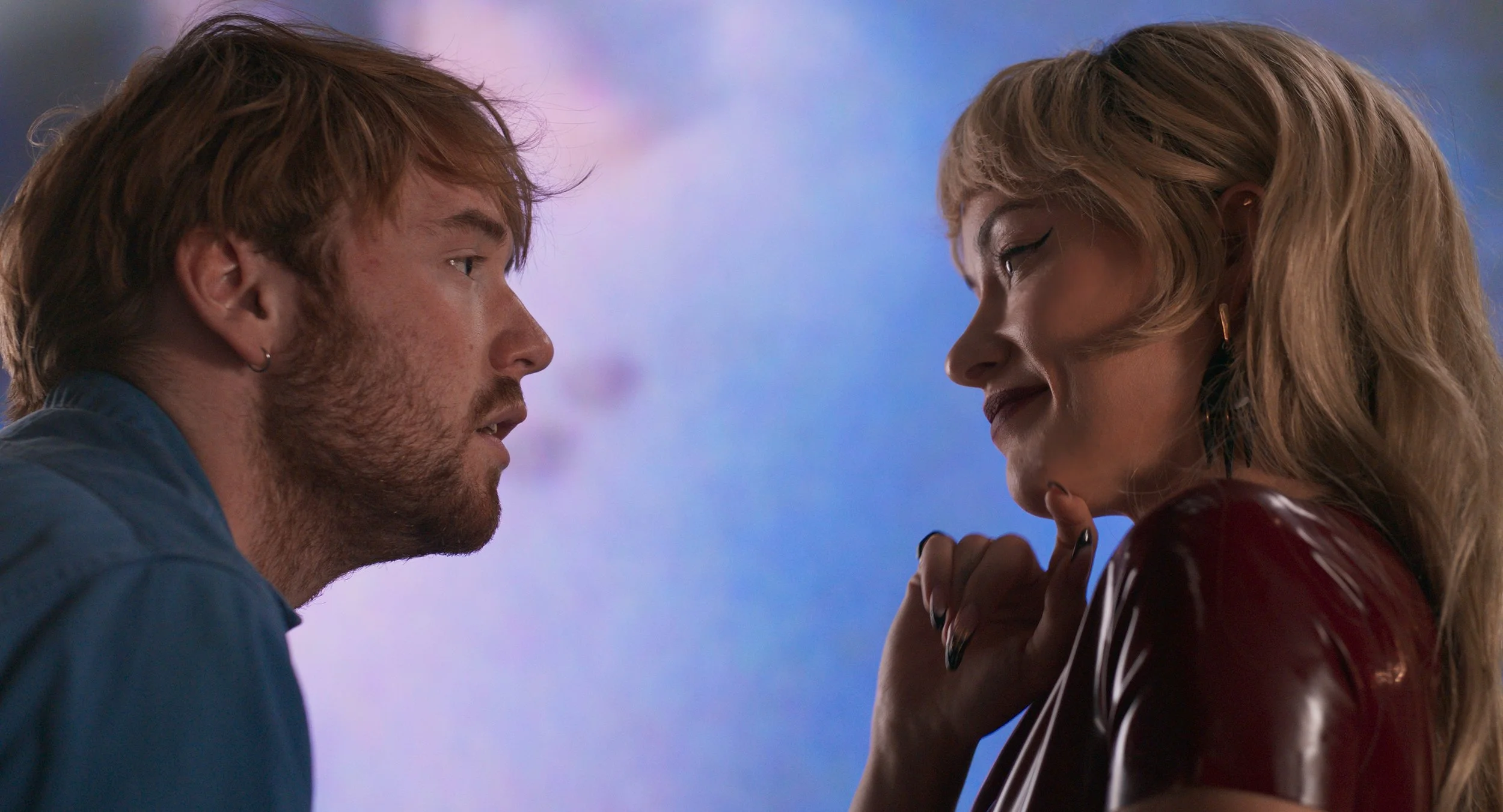
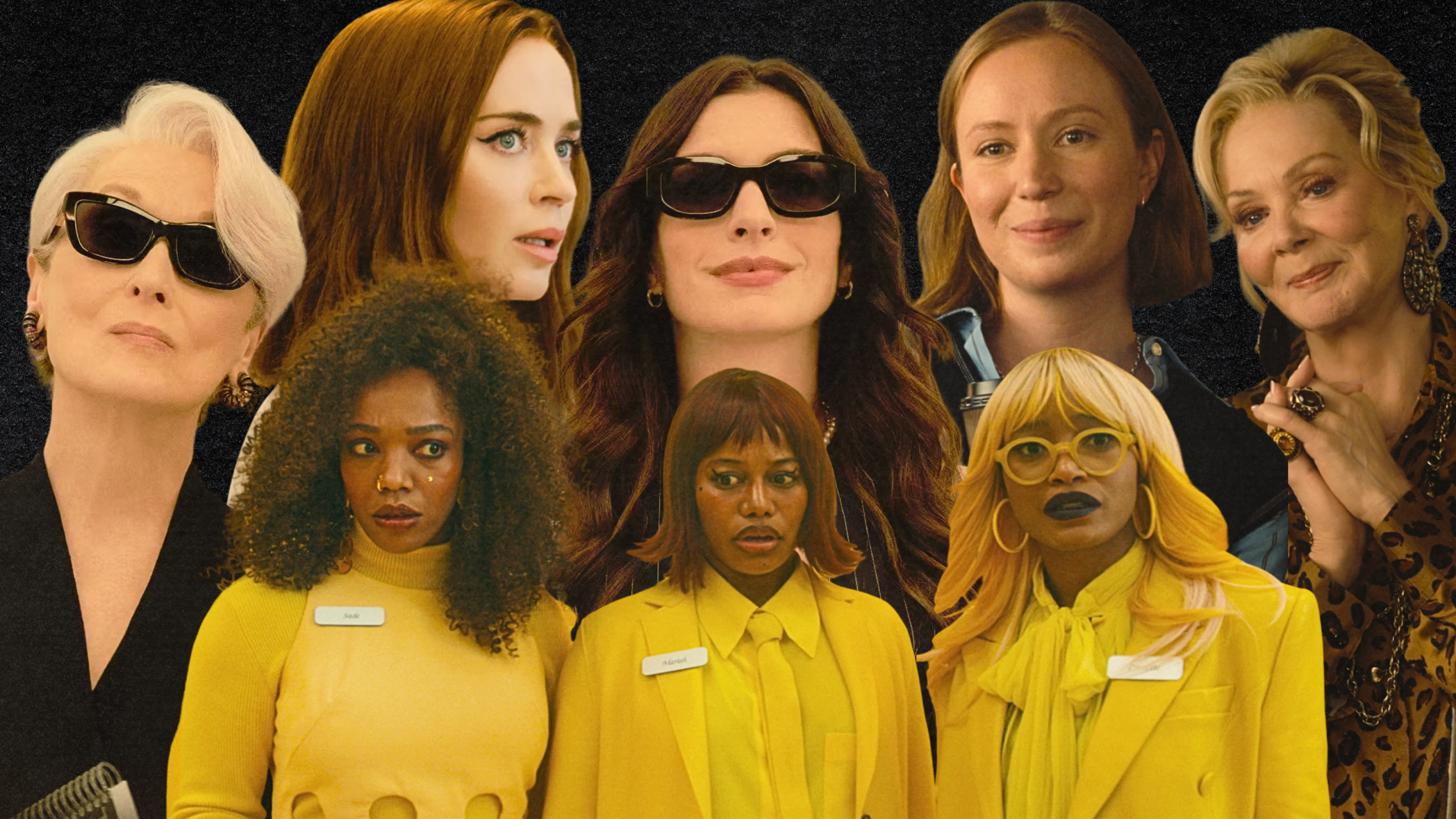
Over the past several months, three wildly different projects – Hacks, the highly-anticipated sequel to the 2006 classic The Devil Wears Prada, and Boots Riley’s surrealist anti-capitalist film I Love Boosters – have each, in their own way, insisted upon the same thing: art made without humanity at its center is not art worth making.
All three of these projects approach the question from a different angle, and each comes to a relatively different conclusion, but they are all still making a unified argument about who/what storytelling is for.
Exploring The Layers of Humanity
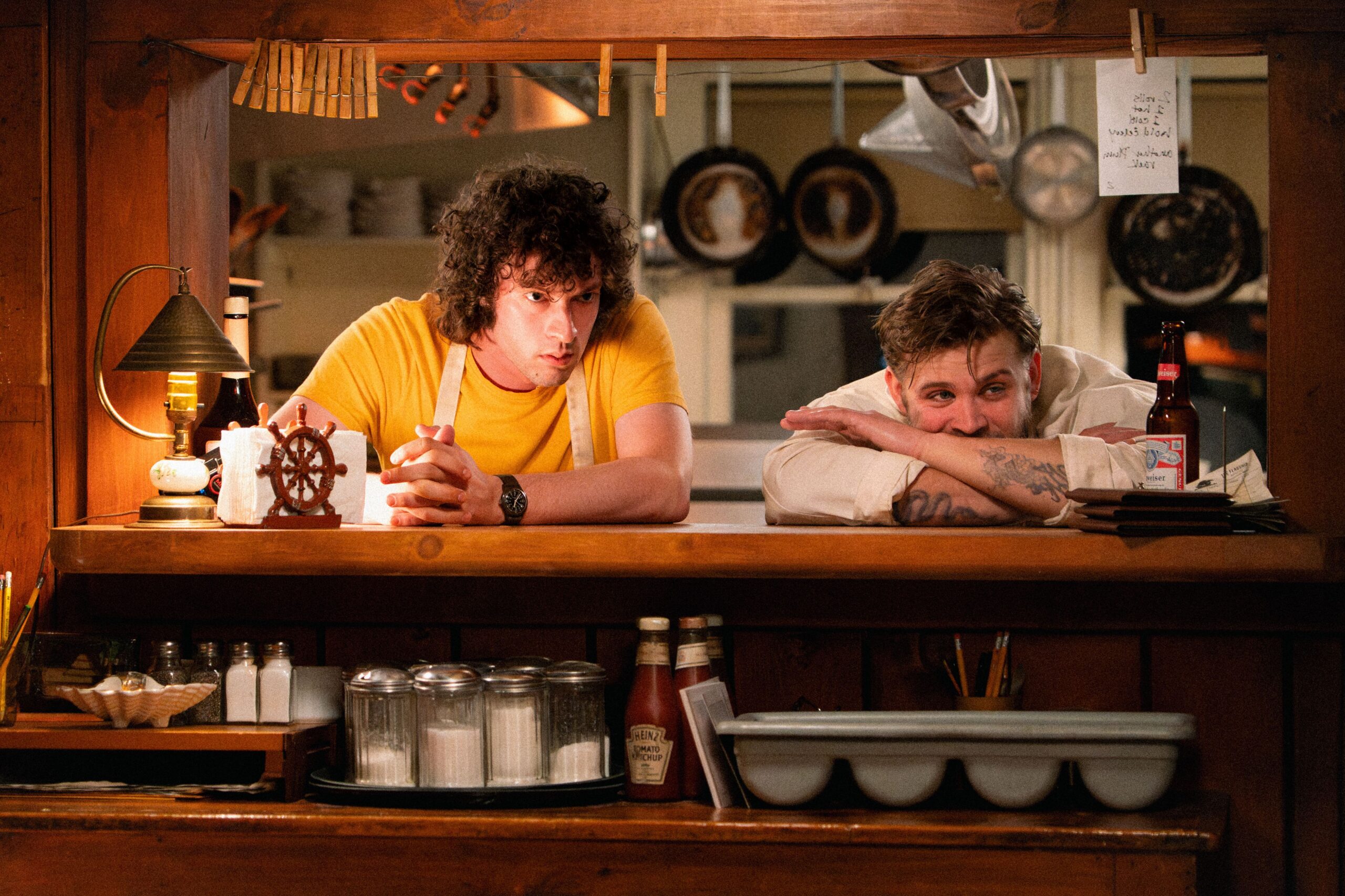
The premise of Hacks – an aging stand-up comedian who hires a disgraced Gen Z writer as a joke doctor – sounds like your typical sitcom setup, but what Aniello, Downs, and Statsky made of it over five seasons is something much harder to pull off: it’s hilarious, absolutely, but it is also a vulnerable examination of the cost of ambition and the redemption that is possible through an earnest creative partnership.
Deborah Vance, played across all five seasons by Jean Smart in what has become one of the most decorated performances in television history, is not a sympathetic character by conventional standards. She is controlling, she manipulates, and she lets her career swallow her relationships whole.
Smart has won four consecutive Emmy Awards for the role – which could become a record-breaking five this year – and the achievement is well-earned as she transforms into this enigma who refuses easy redemption and manages to make her feel real in every way. Deborah is an impossibly layered individual, and Smart plays her with ease.
The show is, in the words of Aniello, “a love story about two women who make each other better.” Hacks earns the emotional weight of its finale through five years of raw, sometimes brutal, character development. When Ava blackmails Deborah in Season 3 using knowledge of an affair – retaliating for Deborah’s own professional betrayal – the audience understands both women’s motivations completely, and the show never lets either character off the hook.
“Life is worth living if you are having fun and laughing with your friends and the people that you’re working with.”
— Lucia Aniello, Co-creator, ‘Hacks‘
Statsky has also spoken publicly about the show’s handling of how society treats women who refuse to conform. “It’s easier for society to turn an inconvenient woman into a joke,” she observed, “rather than listen to her side of the story.”
Hacks extends that observation into a structural principle within the show. Deborah Vance and Ava Daniels are both, in different ways, women whom the industry has tried to discard. The show takes this discarding seriously and insists on their irreducible humanity being what truly matters, as opposed to our restrictive societal conventions.
The series ran for five seasons with a perfect 100% Rotten Tomatoes rating in three of those seasons. That level of positive reception tells us that the audience at large recognized something very real in this work of art, and it also proves there is an undeniable interest in seeing more stories that talk about what it really feels like when we are at our most human: to age, to create, to betray someone you love, and to find your way back to them.
Survival, Compromise, and the Luxury of Integrity
Where Hacks is ultimately hopeful, The Devil Wears Prada 2 is a film that looks directly at an industry in free fall and refuses to lie about what it sees – for the most part.
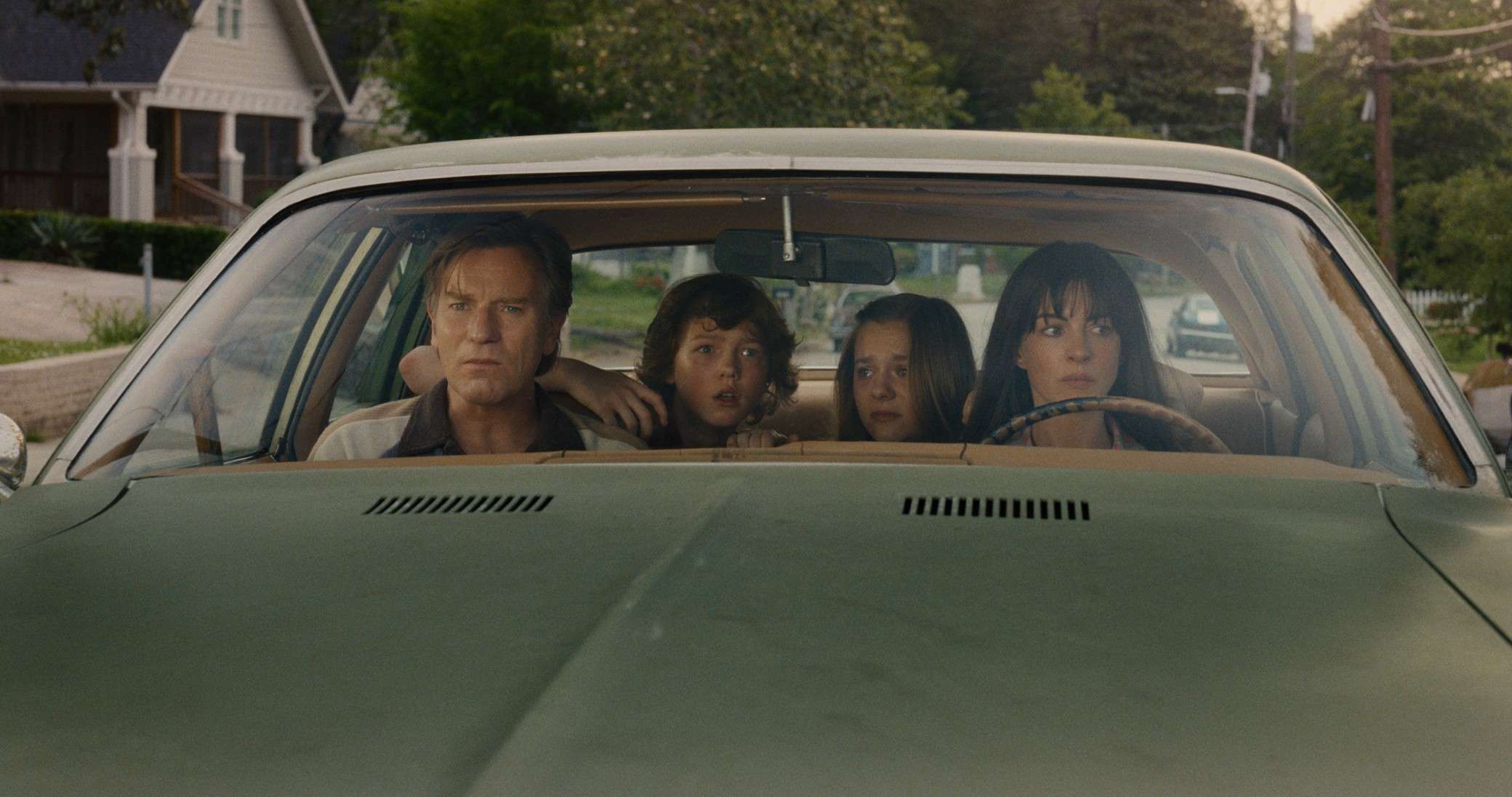
The 2006 original presented a fairly straightforward moral equation: Andrea ‘Andy’ Sachs (Anne Hathaway) could have power or she could have integrity, and she chose integrity. The 2026 sequel, written by Aline Brosh McKenna and directed by David Frankel, updates that equation for a world in which that choice is no longer available.
Andy – now a Pulitzer-caliber features editor – is laid off via text message, and she returns to Runway because she needs job security, as so many of us do these days. The film’s darkest observation is this simple, painful truth: when industries start collapsing and the cost of living keeps rising, your ability to stick to your ethics becomes a luxury.
Critics found that premise “searingly accurate.” The film earned over $650 million worldwide, making it one of the highest-grossing films of 2026 thus far – a figure that tells its own story about an audience hungry to see their professional anxieties reflected back at them with the intelligence and acknowledgment they deserve.
The production itself, on the other hand, made choices that consciously push back against the film’s bleak narrative around the state of creative collaboration today.
Meryl Streep confirmed in press interviews that she has entirely abandoned method acting, describing the first film as a miserable experience of deliberate self-isolation while her co-stars bonded around her. For the sequel, she showed up as what co-star Kenneth Branagh described as a “joyful collaborator.”
Anne Hathaway’s intervention regarding the casting of models for the film is also worth noting. While doing research at Milan Fashion Week, Hathaway and Streep were struck by what they described as the “skeletal” appearance of models on the runways. Hathaway went directly to producers and secured a commitment that the film’s fashion sequences would reflect a diversity of body sizes. Streep called her a “stand-up girl” for the move, and I certainly agree with that statement.
However, if we think about it, this also tells us something about the gap between what an industry normalizes and what individual artists can choose to do within it. Everyone who has the power to change things should wield it to make changes that protect others, just as Hathaway did, but most of them choose to protect themselves.
This is a theme that is touched on within the sequel itself, with Streep’s Miranda Priestly finally giving Stanley Tucci’s Nigel Kipling the chance to take the lead by delivering a speech on behalf of her high fashion magazine, Runway – which was a welcome departure from the first film where she betrayed him to protect her own ambitions.
“Some things still matter more than money. Journalism still f*cking matters!”
— Andrea Sachs in ‘The Devil Wears Prada 2‘
The film’s resolution, where a “good billionaire” saves Runway from an AI accelerationist, was rightly read by many as a tragic indictment dressed up as a happy ending. Some critics, such as those writing for Vox, categorized the film as “capitalist art that hates capitalist art.”
This is my largest critique of it as well.
The survival of serious journalism does, horrifyingly, depend on the whims of the ultra-wealthy, both in the movie and in real life, but the criticism the film is making falls flat because no big studio is going to allow their filmmakers to address – let alone properly condemn – the real enemy: capitalism itself.
The film spends the majority of its running time offering a biting, cynical critique of corporate consolidation, the gig economy, digital clickbait, and the automated devaluation of human creativity. Yet, the resolution of this systemic crisis relies entirely on the unrealistically benevolent intervention of an ultra-wealthy female billionaire (the villain’s ex-wife) who purchases the conglomerate to shield the creative elite from the actual market forces of the 2026 economy.
It suggests that high-quality journalism and artistic curation can no longer survive on their own financial merits or public utility and must instead exist as the luxury playthings of billionaire philanthropists.
While this does mirror real-world media consolidation – including a thinly veiled reference to Jeff Bezos purchasing Vogue for Lauren Sanchez as a wedding present – it offers not even a hint of an alternative to the root problem because envisioning a world without capitalism feels impossible to so many, and the big Hollywood studios are all complicit in perpetuating that myth.
I would have liked to have seen them take a page out of Boots Riley’s book, actually. As enjoyable as it was, if the film had included stronger messaging about labor unions, the importance of organizing amongst the people, etc., it would have come across as much less hollow in regards to the attempt at anti-capitalist commentary.
Alternatively, they could’ve chosen to properly subvert patriarchal expectations and lean further into the relationships between the female leads, as opposed to shoving random boyfriends at Andy and Emily Charlton (Emily Blunt) – but that’s mostly just the lesbian exhaustion in me talking. And, it really does feel like a waste of the chemistry and respect between Hathaway, Blunt, and Streep, which is undeniable in any scene they’re in together.
It also goes back to my point about how Hollywood is focusing too much on conventional relationships instead of the unconventional. Andy had more chemistry in her scenes with Emily and Miranda than she did with the love interest whose name I honestly do not even remember (apparently it’s Peter).
While I would be thrilled to see bisexual Andy (and I totally believe Emily’s a closeted lesbian, for the record), even just nixing the boyfriend and giving Andy and Emily’s budding friendship more development would’ve been preferable.
Addressing The Conflict Between Labor and Capital
Boots Riley’s I Love Boosters operates on an entirely different register from either of the above.
Where Hacks and The Devil Wears Prada 2 work within their respective genre conventions, Riley’s film – a surrealist heist comedy about a group of boosters in Oakland who stumble upon a teleportation device built on dialectical materialism – actively resists legibility as a mainstream product, and that resistance is the point.
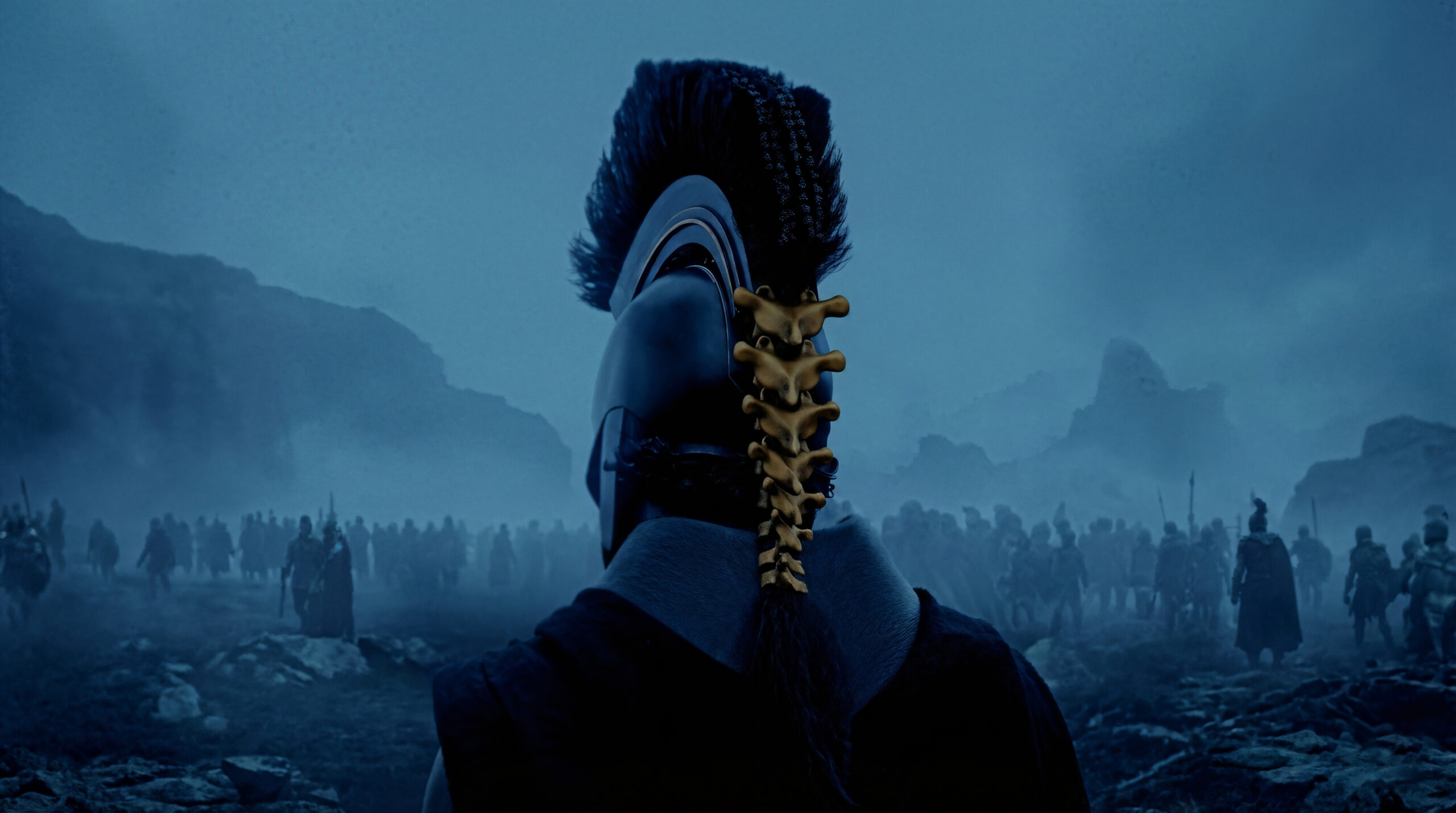
Riley’s 2018 film, Sorry to Bother You, established his incredibly unique directorial aesthetic: bold primary colors, practical effects, and a willingness to let the most raw aspects of filmmaking show.
I Love Boosters somehow manages to extend that approach into something even more technically audacious, with stop-motion claymation car chases, Looney Tunes-inflected physical gags, and costumes designed by Shirley Kurata that erupt with streamers shooting from garments. The production design has been compared to projects such as Brazil and Pee-wee’s Big Adventure.
Riley has been clear about why he approaches filmmaking this way as well. “I want to reject the ‘boring CGI slop’ of modern studio filmmaking,” he told interviewers during the film’s promotional run.
The seamlessness that digital production enables is, in Riley’s view, a way of obscuring the labor that went into making something. Showing the seams – the hot-glue guns, the miniatures, all of the visible artifice – is another way of insisting on having a human presence in the work you’re producing.
“Theft is not outside of capitalism; it’s what capitalism was built on – and not even, like, metaphorically. The bourgeoisie was no different in that they stole land, stole minerals, stole labor. But that theft is thought of as legal.”
— Boots Riley, writer-director, ‘I Love Boosters‘
The film received a 92% critical score on Rotten Tomatoes while earning approximately $7 million against a $20 million budget – a commercial disappointment that Riley attributes partly to deliberate corporate suppression.
He has reported publicly that Meta restricted reposts of the film’s marketing, classifying content about organized shoplifting as connected to criminal activity. In other words, the capitalist-owned algorithms are treating the film’s politics as an excuse to limit its reach.
Riley responded by going directly to theater employees on Reddit, asking them to recommend the film to patrons. While some may see it as desperate, that move was, in effect, a demonstration of the film’s own thesis: when institutional channels fail, you organize laterally by going person to person, and you build the movement yourself.
The Industry Mirror: Power, Labor, and Legacy
The convergence in themes across these three very different works emerges entirely from our current societal moment – a moment that is defined by economic precarity in creative industries, the algorithmic flattening/suppression of unconventional work, and a widespread public hunger for stories that take the state of the world seriously.
Each project refuses the dominant logic of the industry it depicts and the genre it’s in. Hacks refuses the logic that a comedy about aging women is inherently niche with little potential for drawing an audience, The Devil Wears Prada 2 refuses the nostalgic comfort the sequel format usually provides by insisting on depicting the truth about a rapidly degrading industry, and I Love Boosters refuses to bow to studio-grade polish or mainstream assumptions. All three projects accept the risk of being misunderstood by prioritizing what they actually want to say over what they know will sell – to varying degrees.
Through the rejection of sanitized, AI-driven, and purely capitalist outputs, these stories make the argument that artistry, true artistry, requires the nuance of human flaws and a focus on process over product. Making bold narrative choices – such as the humanization of generational conflicts or the depiction of typically shallow individuals as complex beings – allows each project to show off different aspects of the importance of the “grind” in creative work, where the intimacy and labor required of human collaboration (e.g., when punching up jokes or designing a magazine cover) is as vital as the final result.
Jen Statsky’s observation about “inconvenient women” also resonates across all three texts. Deborah Vance is inconvenient to a comedy industry that wants her to age gracefully off stage; Andy Sachs is inconvenient to a media landscape that cannot afford her principles, and Corvette (Keke Palmer) in I Love Boosters is inconvenient to a fashion industry that will happily steal her designs and then prosecute her for shoplifting. It’s the same story told three ways at the end of the day, just from different perspectives.
Imperfect Humans and Intergenerational Struggles
A recurring theme across all three projects is that the most effective artistry is derived from lived experience and the willingness to remain “awkward” or unpolished – aka human. Riley argues that modern feature films have lost their “feel” due to an over-reliance on industry rules and high production costs.
“Feature film as an art form has gotten a little bit away from feel…we end up losing the poetry.”
— Boots Riley, writer-director, ‘I Love Boosters‘
He seeks out actors like Lakeith Stanfield and Keke Palmer for his projects because they are “strange, awkward” people who haven’t had their humanity “smoothed out” by Hollywood training. This specificity is likely what makes his characters feel like real, complicated human beings rather than interchangeable archetypes.
Centering this core principle of humanity in film often involves exploring “found families” and the shifting power dynamics between mentors and protégés, because those relationships affect us all so fundamentally, yet are discussed so little.
In Hacks, Deborah and Ava’s relationship evolves from a toxic employer/employee dynamic to what is described as a “life partnership” after Ava uses Deborah’s own ruthless tactics (blackmail) to achieve professional equality. It’s a love story about a Baby Boomer trying to protect her legacy from whom she perceives to be a self-absorbed Gen-Z writer, but ultimately finding salvation in their collaborative creative labor instead.
Similarly, in The Devil Wears Prada 2, an iconic, wealthy boomer is forced to turn to the millennial generation she once traumatized for help in a rapidly shifting world. As much as I believe that Emily Charlton deserved better and hate that she was a “villain” in this one, this dynamic switch between her and Miranda in particular was admittedly a brilliant way to handle things. To ensure Runway’s survival, Miranda must go to Emily this time around, who now controls the luxury ad dollars as an executive at Dior.
In I Love Boosters, the “Velvet Gang” (Corvette, Mariah, and Sade) are a found family of shoplifters who balance economic necessity with what they call “fashion-forward philanthropy,” eventually coming together with other groups of disenfranchised workers to unite against the fashion tycoon taking advantage of their labor.
They share this found family element with DWP2 as well, with McKenna describing the film to press during the pre-release junket as a “family movie.”
“Andy has had a lot of relationships that feel like love stories in these films. There were days where we thought Andy and Miranda was the central love story, but then Andy and Nigel is an important love story, and Andy and Emily is, as well…So in a funny way, I think it’s a family movie…it’s about Andy rediscovering these folks and understanding their place in her life in a different way.”
— Aline Brosh McKenna, writer, ‘The Devil Wears Prada 2‘
Meryl Streep similarly describes her relationship with the cast in real life as a family, with Emily Blunt referring to Streep as her “stage mama.” You can see this familiarity and ease with each other reflected in the work itself, and those love stories that McKenna mentioned are the most alluring parts of the film, for sure.
The reason these stories tend to resonate so hard with audiences is that these unconventional bonds really do form, often, between those who have been cast aside by society in one way or another – which happens to most people at least once in their lives, in this world attempting to optimize humanity for economic growth instead of collective care. It’s easy to see aspects of your own unexpectedly important bonds in those relationships.
Centering relationships between marginalized people from different generations also allows filmmakers to critique outdated or exploitative standards in a way that is understandable for all who may watch their work. These unconventional stories allow characters (and their actors) to bare their souls in ways that conventional roles do not permit, leading to a more visceral and human experience for the audience.
For example, in Hacks, Deborah learns to embrace vulnerability and “understand the world better” through Ava, while Ava learns “grit” and professional pragmatism from Deborah. In The Devil Wears Prada 2, the introduction of a new assistant, Amari (Simone Ashley), creates this new, amusing dynamic where the younger generation actively keeps Miranda in check for her outdated language.
In the 2006 film, assistants were treated as disposable, nameless bodies subjected to systemic verbal abuse. Amari’s character in the sequel is an on-the-nose representation of the relatively new generational pivot in labor dynamics. She refuses to be treated as a nameless “Emily”; she is addressed by her actual name and possesses the professional confidence to ensure the editorial meetings remain politically correct and culturally aware.
Then, on the other hand, I Love Boosters comes in and shifts the focus from individual pairings to the power of a “militant community.” The relationships between the Velvet Gang are defined by mutual survival in a high-rent, low-wage economy.
The takeaway is meant to be that individual struggles – symbolized by a literal “ball of debt” – only become manageable when an individual is integrated into a collective, radical movement. The film suggests that unconventional alliances across international borders (e.g., between US shoplifters and Chinese factory workers) are the only way to effectively challenge systemic power.
Revolutionary Art and Systemic Critique
As touched on briefly before, the moment which these three projects are responding to is one of immense crisis across all creative industries. Journalism has lost thousands of jobs in the past decade, and streaming services continue consolidating, with original productions increasingly replaced by algorithm-optimized content designed for maximum revenue rather than impact or artistry.
The homogenization of studio output – that “boring CGI slop” Riley rails against – is a direct result of the industry logic that has come to treat human creative judgment as a cost to be reduced.
Against that backdrop, projects that insist on human presence in their aesthetics, their production choices, or their relationship to their audience are making a pretty strong statement about who storytelling is for and what counts as art.
In Hacks, the relationship between Deborah Vance and Ava Daniels is defined as the “beating heart” of the show, and their bond is cemented through the creative process itself. The act of punching up each other’s jokes is framed within the show as a form of intimacy rivaling romantic or physical connection. Critics say the show expresses a “reverence for process,” proclaiming that the ecstasy of coming up with a perfect punchline is impossible without human labor behind it.
“Nothing is more thrilling than when Ava and Deborah are in the zone with their writing…The show has a reverence for process, not just output.”
— Kayla Kumari Upadhyaya, Critic, Autostraddle
Hacks additionally explicitly critiques artificial intelligence as the “ultimate in hackery,” accurately characterizing it as a bloodless tool of corporate theft designed to maximize profit while bypassing the sacred, grueling, human process of creation.
The Devil Wears Prada 2 centers around Miranda Priestly’s struggle with the shift from legacy print fashion magazines to our current digital-first approach where social media democratization and the globalization of “luxury” has led to advertisers having leverage to dictate content. The returning cast of characters navigates this new corporate world defined by automation and economic precarity, and similarly to Hacks, they depict the reality of the “human-free vision” of media where AI metrics strip away real voices, illustrating a landscape that has become overwhelmingly hostile to human artistry.
Riley, on the other hand, takes things to a new level and explicitly uses I Love Boosters as a “Marxist treatise” which explores the conflict between labor and capital, as discussed earlier. He views art as a means to ask the right questions and provide cultural tools that labor organizers can use to inspire collective action and strikes.
Within the film, the characters use a tool called the “Situational Accelerator” to transform things into the logical endpoint of their exaggeration, forcing audiences to question capitalism and our ingrained desire to emulate the wealthy elite. It rejects pre-conceived notions of poverty, instead choosing to show the audience the complex motivations this group of boosters has. They maintain that they are performing a needed service for people, and in many ways, they are.
I believe that the popularity of these vastly different but morally aligned projects marks a societal shift toward embracing the revolutionary power of art, and we will see more unconventional stories onscreen challenging the necessity of capitalism. Inshallah, we will see the return of filmmakers telling stories about revolutionaries that plainly call out who the real villains are, and let us hope that public opinion continues to shift in favor of actual revolutionary politics as well.
What to Takeaway from All of This
The biggest takeaway here, driven primarily by I Love Boosters, is that theft is inherent to the capitalist system through the exploitation of human labor, land, and resources. While shoplifters (aka “boosters”) are often pathologized, the real criminals are the corporate moguls who engage in disgraceful practices such as wage theft – things like forcing employees to buy their own uniforms or clock out to use the restroom, for example – or design theft, where the work of independent artists is plagiarized for profit.
I Love Boosters frames shoplifting as a rational survivalist response to our bleak economy, as opposed to the conventional opinion that it is a moral degeneracy, and both Hacks and The Devil Wears Prada 2 address how late-stage capitalism seeks to replace human curation with click-driven algorithms and automated processes, which would surely increase the need for shoplifting, muggings, etc. We are headed for an inevitable collapse caused by capitalism’s belief in infinite growth in a world which does not have infinite resources – and we are quickly exhausting what little we have.
Putting an end to capitalism and neo-colonialism is our greatest moral imperative because if we do not, we are doomed. It is, unfortunately, as simple as that. We must unite around this cause before it is too late.
Another key takeaway is: art that centers humanity is the only art that really matters. The best shows and films are always the ones that are demanding, inventive, and uninterested in capitulating to make their audiences comfortable. The stories that last longest in our memories are the ones that remember why they’re being told.
Plus, the era of passive viewing is over, if 2026’s current hits are any indication. These projects’ popularity, as I mentioned before, prove there is a significant level of public engagement with real-world issues, from the threat of AI to labor strikes and the collapse of traditional media. There is immense passion and obsession around generational warfare, the transfer of power into the hands of the elite, and the systemic friction caused by our capitalistic society.
All of that being said, the ultimate call to action here is that localized or individual rebellion is insufficient for real change. As argued by Boots Riley (and I agree), the best way to challenge the bourgeoisie is through the building of a “mass militant, radical labor movement” that uses the withholding of labor to reclaim wealth and power.
We can create as many revolutionary films as we want – and we do need to create more of them to help bring others into our movement – but the films alone will not save us. All of us workers of the world must unite and demand better for ourselves and every living creature.
What unconventional story – from any medium – has stayed with you lately because of its humanity rather than its polish? Let us know in the comments!