When we talk about the pervasiveness of fascism, we don’t consider the ways that it slips into our everyday lives: the things we love, the shows we enjoy, and the spaces we engage in. People focus on resisting the most in-our-face horrors, and while that is vital work to be doing, we also must push back on fascism invading what are supposed to be safe spaces.
By the time we reached the 17th century, the seeds of fans and fandom had already been sowed. Except, in my opinion, they had a better name for us then- the lovers. ‘The Lovers’ were people known for collecting items related to various interests. Historians compare the activities done back then to modern-day social media fandoms, emphasizing community building and collaboration. This environment of exchanging ideas, theories, and knowledge about shared passions is still the core aspect of fandom as it is known today.
In 1893, Arthur Conan Doyle killed off Sherlock Holmes, and fans learned that revolution within fandom is an effective tool. They boycotted The Strand Magazine, where the Sherlock stories were being published, along with writing obituaries and letters to Doyle, and in 1903, Sherlock was brought back to life. This was the first real example of consumers of media realizing that they have actual power to influence the creator’s decisions.
Fast-forward to 1977, and the Star Trek fandom exploded. This marked the shift from fan consumption to fan creation, eventually leading to fan activism due to the rise of conventions, which allowed people to do charitable work. Fandom became a space in which people advocated for helping others, encouraged equality, and fought against injustice when it occurred. To this day, there are many fandom-led charities and non-profits, and many non-fandom-led organizations benefit from engaging with fandom spaces to solicit donations.
Just a couple examples: Friends with Benefit Charity Events (FWB) was created in 2016 by One Tree Hill fan Raenia Agostino, an organization that still to this day runs charity events and fundraisers that benefit various causes.
Supernatural stars Jared Padalecki and Jensen Ackles launched various campaigns for mental health awareness on social media, such as Always Keep Fighting (AKF), Always Keep Fighting: Love Yourself First, Family Always Has Your Back and You Are Not Alone, and their co-star, Misha Collins, founded the non-profit Random Acts, which provides small grants to those looking to facilitate acts of kindness in their community but lack the funds. (Shameless plug and obligatory disclosure here, I work with RA and could not be more proud of the work we do.)
Over the years, fandom has increasingly grown more and more politically active, with collective action being brought to the forefront. We’ve seen this in the form of concentrated online campaigns for social equality and equity, advocacy for representation in media, fundraising, and defending fandom and fan work from both copyright harassment and exploitation from corporations.
From organizations like Fandom Forward (now closed) to K-pop stans creating social campaigns to book out Donald Trump’s inauguration with zero intention of attending, activism has become an integral part of what makes fandom what it is today.
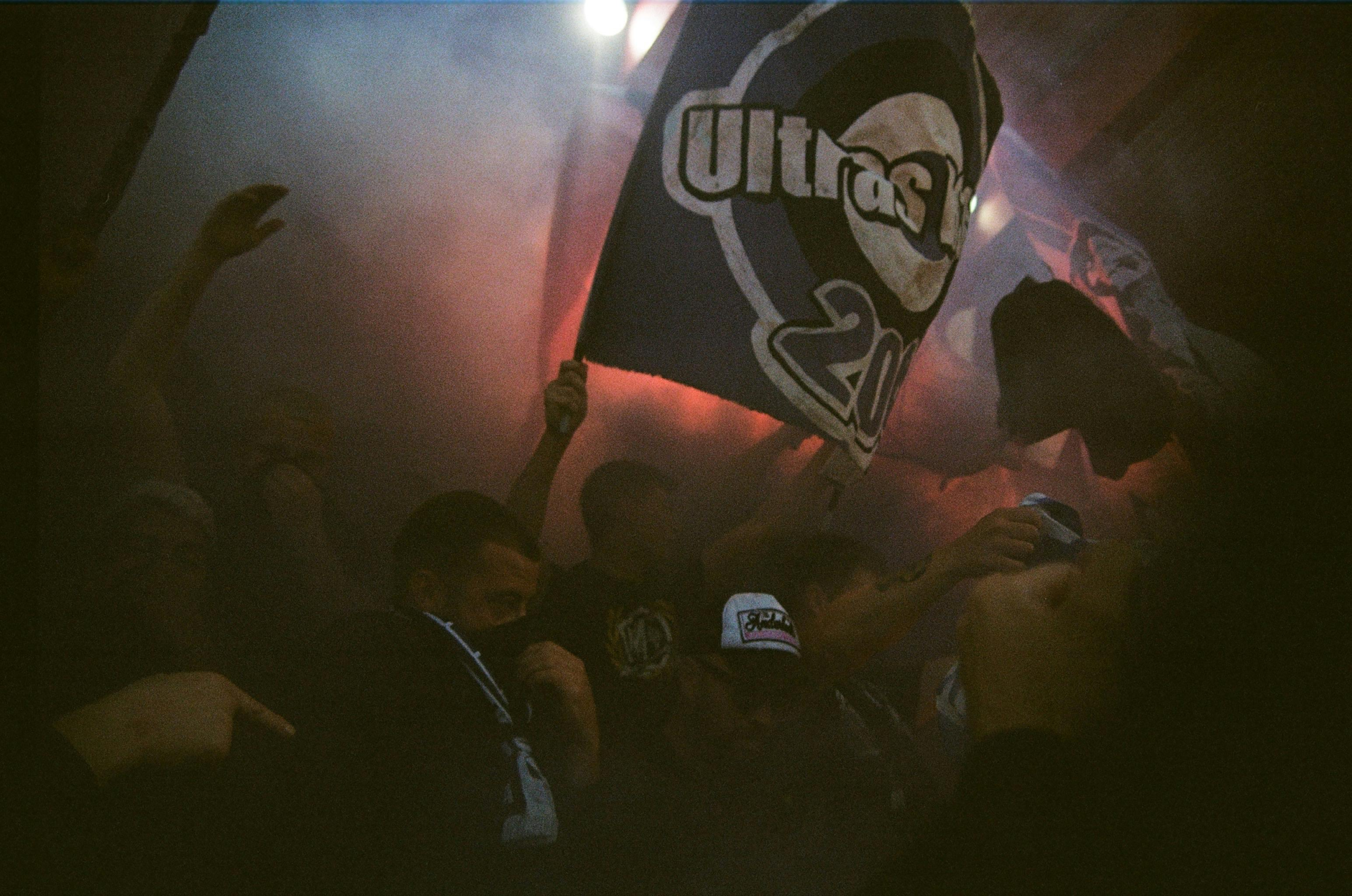
However, since 2016, there has been a marked shift in the climate of fandom. A noticeable amount of fascist ideologies have begun working their way into various fan communities, something that has been garnering increasing attention from both cultural critics and scholars. This was only worsened by the initial outbreak of the pandemic back in 2020. There were likely many contributing factors to this overall shift, with the most evident being the election of Donald Trump, combined with the number of people during the COVID lockdowns who had previously never engaged in online fandoms getting involved for the first time.
These ideologies have been expressed in a variety of behaviors, ranging from the over-policing of fan content to actual neo-Nazi networks on social platforms like Twitter and TikTok that utilize music and memes to subtly promote Nazism, fascism, and white supremacy, and have garnered millions of views from it. There has been a rapid increase in behavior within male-dominated fandoms where groups of fans force shows into premature cancellations with violently misogynistic or racist hate campaigns – Disney’s The Acolyte being one of the most widely discussed lately as an example.
Fans target female characters with disproportionate criticism compared to male characters who display equal or worse behaviors on screen. In the Game of Thrones fandom, this is evident in the way online discussions about characters like Sansa Stark, Daenerys Targaryen, and Cersei Lannister are perpetuated versus male characters like Jon Snow, Khal Drogo, etc. The female characters are often held to way higher standards and are constantly pitted against each other in a way the male characters are not. This is perpetuated, unfortunately, by all genders within the fandom, it is not a male-exclusive phenomenon.
And it does not, of course, stop at just misogyny. When House of the Dragon star Emma D’Arcy was cast as Queen Rhaenyra Targaryen and fans discovered they are nonbinary, there was significant transphobic backlash. Their character, Rhaenyra, is also held to the same misogynistic standards mentioned in the above paragraph, with a subsect of fans favoring male characters despite their clear moral failings.
Now, it is completely and utterly fine to enjoy the villains and anti-heroes in a story. We all love a good bad guy! What makes this group so concerning is their continual denial of these characters’ wrong-doing, including making excuses for or endorsing actions like rape, sexual assault, and domestic violence, as well as the transphobic, misogynistic, and racist language they use when engaging with others online.
When black actors were cast in the parts of the members of House Velaryon, there was intense backlash again from fans who to this day continue to perpetuate racist stereotypes in the way they discuss these characters. This is an overall trend, as seen with Halle Bailey when she was cast as Ariel in The Little Mermaid, Rachel Zegler as Snow White, and Avantika Vandanapu, who was faced with a torrential amount of racism for nothing but a ‘fancast’ of her as Tangled’s Rapunzel for a non-existent (at the time) live-action.
Homophobia is also becoming increasingly prevalent again within fandom spaces. For example, Wicked has always been a musical with strong queer subtext and is historically beloved within the LGBTQ+ community. The book (same title) that it is based on is explicitly queer, and the fandom has always been a safe space for that community. For the majority of the musical’s 20+ year existence, most fans wanted Elphaba and Galinda together, titling them ‘Gelphie’.
When the Wicked movie was released in 2024, it became more mainstream and the fandom was flooded with fans who brought in those harmful ideologies. Despite Ariana Grande and Cynthia Erivo’s encouragement and enthusiasm in engaging with their queer fans, many have had homophobic rhetoric directed at them when posting about that relationship, in a way that makes it evident that those people have done little to no research into the history of either the fandom or the musical itself- or worse, are just flat-out bigots. I saw a post quoting Gelphie fan art proclaiming that “Gen Z makes everything gay”, which is just an absurd thing to say about a ship that has existed since the early 2000s.
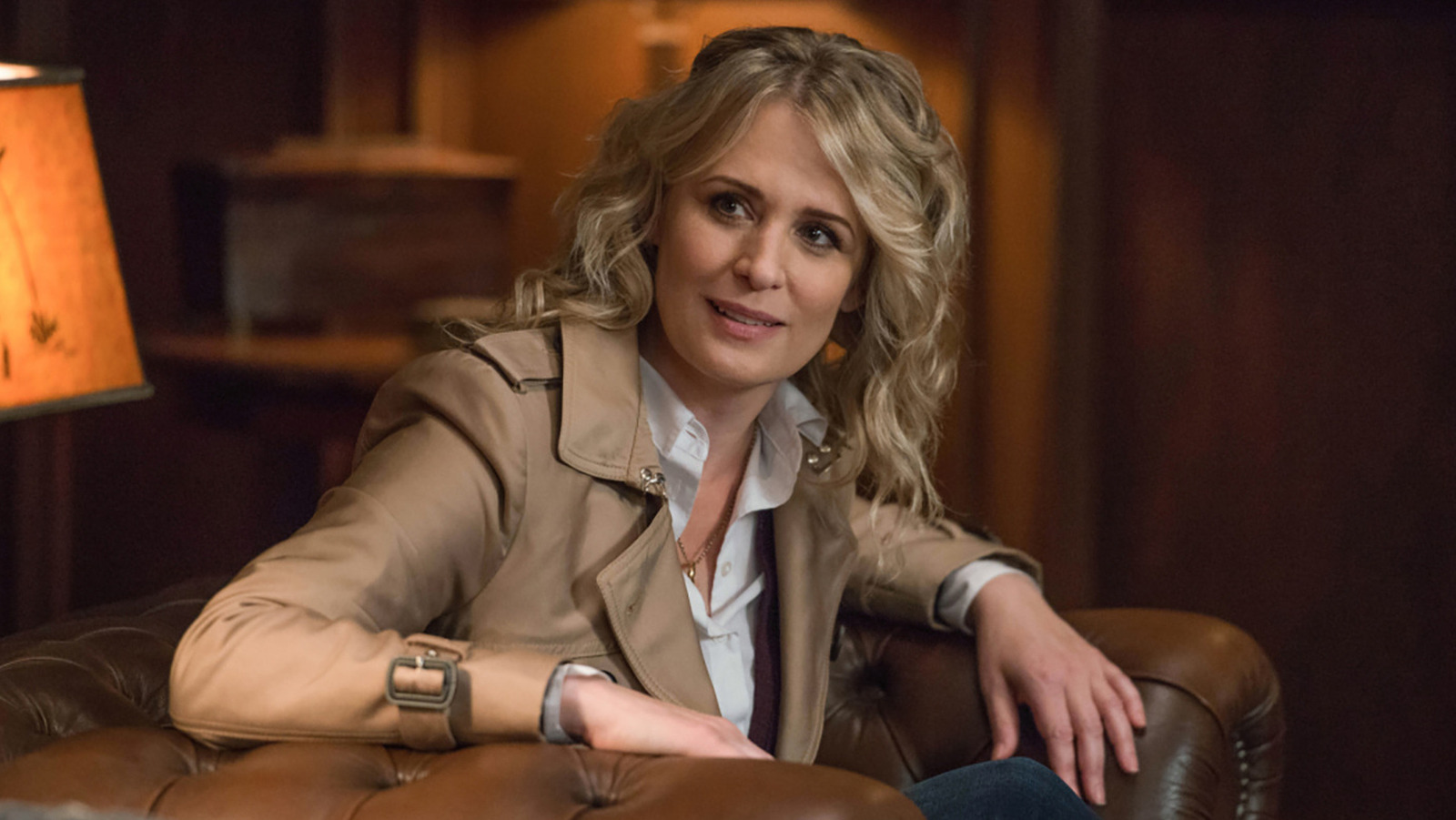
As another example, Supernatural has had an incredibly active and vocal online fandom since its airing in 2005, and fan-favorite ship ‘Destiel’ (fans wanting Jensen Ackles’ Dean Winchester and Misha Collins’ Castiel together) has been around since Castiel’s entrance in 2008. In fact, the very first Destiel fanfic was published only 44 minutes after the episode aired. At the time, there was significant pushback from other fans, as well as disdain from the studio, and even some actors and writers.
Over the years, however, it seemed that the overall trend was one of acceptance, and Destiel slowly outpaced any other ship in popularity. There have always been and likely will always be divisions between those who do and do not ship those characters, but for a time the dialogue was relatively respectful. This semblance of peace has ceased entirely in recent years, with a vocal subsect of the fandom beginning to attack Destiel fans, using homophobic rhetoric and slurs, for simple posts about the show or even in the quotes of fan art.
It’s not only fans of the show that are harmed by these behaviors, these things do affect the source material itself. The Supernatural creators’ decision to keep the relationship between Dean and Castiel ambiguous until late in the series, and only confirm Castiel’s love for Dean in a one-sided declaration, is a result of pandering to the homophobic segments of the audience.
All of this is an indication of our larger cultural issues, and can sometimes take form in ways that you might not even notice, or possibly even have fallen victim to perpetuating yourself. I have certainly not been 100% successful in avoiding misinformation and spreading rumors. It’s not something to hide, but something to actively work against.
While not overtly fascist, things like the glorification of “anti-heroes” while vilifying women and people of color, gatekeeping within fandom spaces (including the exclusion of marginalized groups), and the dismissal of advocacy-driven discussions as being “too political” for fandom, can create an environment where extremist ideologies can thrive. Anyone pushing for filtering or censoring any form of media or fanwork is contributing to this as well.
Historically, censorship disproportionately affects marginalized groups. Restricting content on platforms like Archive of Our Own (AO3), Tumblr, LiveJournal, etc, can and will silence creators exploring LGBTQ+ themes, POC representation, or narratives that challenge societal norms. These sites have long been the only avenue for individuals to express themselves freely, especially when mainstream media lacks representation. Implementing censorship will erode these safe spaces and discourage users from sharing their own stories and perspectives for fear of punishment, therefore reinforcing the societal biases that keep us from progressing.
Simply put: determining what content is “appropriate” is inherently subjective. Once censorship begins it can, historically has, and likely will again, expand to include content that while uncomfortable for some, is incredibly valuable for others. This abject subjectivity can lead to the exclusion of important discussions on things like mental health, disability, or racial experiences, inadvertently promoting ableism, racism, and other harmful values. Past instances, such as the 2007 LiveJournal content purge, demonstrate these effects.
The creators of these sites have developed self-regulatory practices, such as tagging systems, to manage content and provide warnings. The filters are there for a reason, the tags are there for a reason. It is up to us as fans to utilize them correctly both when creating and consuming fan content. We have work to do to ensure that these spaces remain what they have always been meant to be: a safe place for all marginalized groups, where we work together to fight against injustice when necessary.
Combating these issues begins with self-reflection, as does anything. Examine your behaviors, the assumptions you’ve made about people who are different from you, and the way you speak to and about people online. No one is perfect, and everyone has room to grow when it comes to addressing internalized biases and unintentional perpetuation of harmful ideologies.
Fandom is a microcosm of broader society: what happens in fandom directly reflects and contributes to larger cultural movements. We must push back against this deeply concerning shift and remember that throughout history, fandom has always been a space for advocacy. We must unilaterally resist any and all attempts at censorship of fanwork, no matter how distasteful we may find some creators’ content.
The rise of puritanical culture within fandom spaces (which is a direct reflection of our societal re-descent into fascism) is why the increasing scrutiny and judgment around “proshipping” has taken off. The co-opting of the term by “anti-proshippers” is a combination of fandom newbies who heard someone use the term incorrectly once and ran with it, and people who genuinely have no interest in learning about fandom history spreading misinformation and perpetuating those puritanical beliefs disguised as morality contests.
But here’s the truth of it: all that being a proshipper means is that you mind your own business. It’s a way that people in fandom have signaled for decades that we don’t care what you ship as long as you stay in your lane, and I’ll stay in mine. It does not mean, in any way, shape, or form, that proshippers condone or support problematic content. That is how the definition has been twisted by antis, likely because a key aspect of proshipping is the belief that fiction does not affect reality in the sense that consuming content that deals with darker material does not inherently cause harm.
Anti-proshippers use this to claim that all proshippers enjoy problematic ships (for example; ‘Wincest’ within the Supernatural fandom, Jaime/Cersei in Game of Thrones, Daemon/Rhaenyra in House of the Dragon, etc).
When we say “fiction doesn’t affect reality”, this is not a justification for harmful or criminal actions taken by an individual within fandom. What it is, is the notion that people can engage with ‘problematic’ content without it seeping into their real-life beliefs, and that censorship of media tends to lead to abuse of power.
Game of Thrones is the easiest example of this. It is a massive fandom, with massive subsects dedicated to fans of Jaime and Cersei, Daenerys and Jon Snow (remember, according to the show, Dany is Jon’s aunt!), or other ships between characters who have familial ties. Do I personally enjoy any of those ships? No.
But it is important to understand that the thousands, if not hundreds of thousands, of people who do enjoy those ships, are not about to engage in incestuous behavior in real life. Are there some people who would? Yes. Of course. People are messed up everywhere. It’s not a fandom-exclusive phenomenon. But does that mean that across the board, every Daemon/Rhaenyra shipper wants to sleep with their uncle? No.
To break it down simply, proshippers follow four basic rules:
Ship and Let Ship: Letting others ship as they want, as we do ourselves, without harassing other fans because we’re all talking about fiction at the end of the day and it’s not our job as fans to police what others do.
Your Kink Is Not My Kink And That’s OK: Self-explanatory. We don’t kink shame, even if it’s not something we enjoy. (This comes from the BDSM community.) The block and mute buttons are there for a reason if someone is posting content you don’t wish to see.
Don’t Like/Don’t Read: The responsibility of not engaging with content that makes you uncomfortable is on you, the consumer, not the creator. If you don’t like a certain ship, mute the tag. If you don’t like a character, mute their name. So on and so forth.
The Golden Rule: We all know this one. Treat others the way you want to be treated. Don’t go around quoting artists’ work with insults about their ship. Don’t dogpile on someone for tweeting a headcanon you disagree with. Don’t post fanfic excerpts shaming the content. It takes more time out of your day to engage with content you hate than it would to simply scroll away.
If you take the time to look at it, the anti-proshipper way of thinking falls apart when you expand it to think about any piece of media and any crime. Should fans of characters who have committed acts of violence be shamed for liking those characters and deemed violent in real life? Should someone who likes a character who murdered someone else be accused of enjoying murder? What about a character that beats people up for a living? Does liking that character mean that you should be investigated for abuse?
This is why everything circles back to the censorship issue. Once we start heading down the path of people’s media consumption being a reflection of their moral standing, it opens the door right back up to that government-imposed censorship where we are not allowed to consume any content that is not approved by the ambiguous machine. If you truly believe that only ‘problematic content’ will be affected, you are living in a world that does not exist. The moment we start talking about censoring media, we risk losing every bit of it that isn’t approved by the cisgender, heteronormative, racist billionaires who run not just America, but the world at large.
And again, because I can hear people’s arguments now, none of the aspects of proshipping are ever a justification for criminal behavior. If an individual in fandom spaces is displaying harmful behavior directed towards people in real life, they deserve to be called out on it and held accountable.
If a mutual of yours is very clearly grooming a minor, you have a moral imperative to say something. If someone you follow posts about how they are attracted to their sibling, or that they’re considering shooting or assaulting someone, or whatever it may be, those are criminal actions should they follow through with them, and it is important to report them to the proper authorities if you believe someone is in danger. However, these behaviors are not exclusive to people within fandom spaces who identify as proshippers, and it is not only ridiculous to act like they are, but detrimental to preventing harm.
Just the other day, a very vocal anti-proshipper in a large fandom was exposed for talking inappropriately with minors, and I’ve seen this happen several times throughout my years online. These people draw minors in with the pretense of “fighting to keep them safe” or “protecting them”, and then turn out to be predators themselves. We should be teaching younger fandom members overall internet safety, including how to properly filter their platforms, not arbitrarily labeling entire groups of people as good versus evil when we all know that’s not how the world works.
If there is anything that I hope you take away from my long-winded spiel here, it’s that it is imperative to foster empathy in fandom spaces by engaging with others respectfully and embracing the diverse perspectives that we all have. Encouraging inclusivity and promoting kindness is a direct act of resistance against the encroachment of harmful values.
I’m not advocating for perfect peaceful pacifism. There will always be stan wars. There will always be arguments about characters. It’s part of human nature to disagree. What I am advocating for is at the very least, attempting to be respectful while doing so.
Private messages and group chats are there for a reason. Utilize those spaces to complain, talk shit, whatever. We all do it. Let’s not pretend otherwise. I’m not saying bully people behind closed doors, ever, but in those spaces, it’s fine to discuss a fanfic that you read and hated, or a ship you vehemently dislike. That type of stuff doesn’t need to be made public to fuel the negativity. When you do argue with someone online, keep it about the piece of media you’re discussing. There’s no need to throw slurs at people or make comments about their appearance, or anything remotely like that. We are all here on the same platforms talking about our silly little shows. It is never that serious.
Use those tagging systems without complaint. Be responsible with tagging your own work so that people can filter their platforms the way they want. Support marginalized creators and their work, something that is needed now more than ever. Educate yourself on the history and value of fandom as a safe space. The small, individual actions of those within these spaces have and will continue to have an impact on the larger cultural resistance against fascism.
Fandom has historically been a place of inclusion and change, driven by people who care about stories, art, and each other. It is my hope that the same spirit of collective action can combat the creeping shadows of fascism, to ensure that these spaces remain safe for all marginalized people. The stories we love teach us about courage, compassion, and perseverance. Let’s carry those lessons into how we engage with each other.